
Best Pants for Survival: Top 5 Picks & How to Choose
If you spend a lot of time outdoors, you quickly learn one truth: the wrong pair of pants can turn a good day into a slog. Wet brush soaks your lower legs, thorns chew through flimsy cotton blends, and “standard pockets” never seem to be in the right places. The right trousers—with smart cargo pockets, solid weather resistance, and fabric that moves—make a huge difference on long days of hiking, camp chores, or a quick backpacking trip.
In this guide we’re sorting the noise from the signal. We’ll break down tactical clothing vs classic field trousers, when waterproof pants are worth it (and when they’re not), and which features actually matter: reinforced knees, knee pad pockets (or compatible knee pads), belt loops that don’t fold, breathable yet stretchy fabric, and pocket layouts that carry a torch, blade and map without digging into your hip. We’ll talk hot weather vs cold weather, how to layer with a base layer, and why some synthetic materials beat cotton fabric in wet weather. We’ll also cover weight and packability (nobody wants pants that feel like a garbage bag), durability for rugged terrain, and how to choose a good pair at a reasonable price—or even a smart grab from the thrift store if you know what to look for.
After a quick feature deep-dive, I’ll share my top picks (five models) and score each one for fabric, build, mobility, pockets, climate range, packability and value. You’ll finish with clear “best for” scenarios—warm weather, inclement weather, everyday use, and the great outdoors—plus a comparison table and care & field tips to keep your pants going for a long time.
How to choose survival pants (feature deep-dive)
Choosing the best pants comes down to a handful of decisions: fabric, build, weather performance, pocket layout, and fit. Get these right and you’ll have a pair of pants that works in a lot of different ways—from urban tactical pants around town to hard outdoor activities in rugged terrain.
1) Fabric: cotton vs synthetics (and blends)
-
Cotton fabric / cotton blends: comfy and quiet, but they soak up water and dry slowly. Fine for dry conditions and camp chores; not great in wet weather or the grand canyon after a slot-canyon splash.
-
Synthetic fabrics / synthetic materials (nylon, polyester, elastane): lighter, faster-drying, better weather resistance and uv protection. Often a breathable option with stretchy fabric for scrambling.
-
Blends done right: a touch of cotton for hand-feel, lots of nylon for durability, and elastane for movement is often the best fabric balance for everyday use and bush tracks.
- Tip: If you expect a lot of wear or extreme conditions, prioritise high-denier nylon with ripstop. It resists abrasion from granite, spinifex, and combat boots rubbing at the cuffs.
2) Weather performance: water resistance vs waterproof
-
Water resistance (DWR finish): sheds light showers and morning dew; keeps you comfortable while generating body heat on the move. Better airflow; less “plastic bag” feel.
-
Waterproof pants (membrane + taped seams): proper rain protection for inclement weather, but they’re warmer and crinklier. Think of them as an outer layer you pull over field trousers when the sky opens.
-
Cold weather combo: tough trousers + base layer (e.g., merino wool) = warm legs without trapping sweat.
-
Hot weather combo: ultralight synthetics with lots of venting. Skip full membranes unless the forecast demands it—nobody wants legs that feel like a garbage bag.
3) Build quality: the invisible details that matter
-
Stitching & bar-tacks: look for double stitching in key areas (seat, knees, pocket corners) and bar-tacks at stress points.
-
Gussets & articulation: a crotch gusset and articulated knees improve stride and scrambling.
-
Reinforcement: overlays at knees/seat or kick-patches on pant legs protect against rock, logs and crampon nicks.
-
Fire resistant options: some field trousers use FR blends—handy around campfires, but usually heavier and less breathable.
4) Pockets & carry: enough, and in the right places
-
Cargo pockets / plenty of pockets: great for map, gloves, and snacks. Look for flaps or zips so contents don’t eject when you kneel.
-
Front pockets / back pockets: front should be deep with straight openings for a clipped torch or knife; back should sit low enough not to fight your hip belt.
-
Standard pockets vs field layouts: “tactical trousers” place pockets for active access; classic field trousers keep a cleaner profile for the gray man look.
-
Carry note: more pockets ≠ better—stuffing enough pockets in the right places beats a cluttered layout every time.
5) Fit & mobility: comfort that lasts a long time
-
Comfortable fit: you want room through the thigh without flapping fabric.
-
Elastic waistband vs belt loops: a bit of stretch at the waist is forgiving on long days; sturdy belt loops still matter if you hang a pouch or sheath.
-
Knee pads / knee pad pockets: if you’re kneeling a lot (fire making, shelter work), compatibility is gold. Removable pads save your knees in rocky country.
-
Lower legs: a slight taper avoids snagging; drawcords or boot hooks help seal over combat boots in wind or grit.
6) Weight & packability: what’s your carry plan?
-
Lightweight: airy, stuffable, perfect for warm weather and fast trips; packs to nothing in a side pouch.
-
Mid-weight: the best option for mixed forecasts; balances durability and comfort.
-
Heavyweight: bomber for scrub bashing and extreme conditions; less compressible but lasts a long time.
7) Value & sizing: making a smart buy
-
Different sizes & fits: brands vary—athletic vs straight. Try a couple of pairs if possible.
-
Great value / excellent value: look for reinforced knees, articulated patterning, and quality hardware at a reasonable price.
-
New pants vs thrift store: a thrift store score can be brilliant for camp use; just inspect seams, zips, and DWR.
-
Free shipping: nice to have, but don’t let it outweigh build quality or fit.
8) Use-case quick matches
-
Hot weather: ultralight synthetics with big vents = best choice.
-
Cold weather: mid/heavy fabric + base layer (preferably merino wool).
-
Wet weather: fast-drying synthetics with strong water resistance; carry dedicated waterproof pants as an over-trouser for true storms.
-
Everyday use / urban: low-profile tactical gear look with discreet cargo—good choice if you want to blend in.
1) Fjällräven Vidda Pro (a.k.a. Vidda Pros) - Score: 8.1/10

Source: Fjallraven
Best for: scrub-bashing, rugged terrain, cool-to-cold dry conditions, long camp days, knee-intensive tasks (shelter building).
Why it works: The G-1000 (poly/cotton) cotton blends take wax for adjustable water resistance and shrug off thorns, granite, and general bush abuse. Reinforced knees/seat and proper knee pad pockets make it a workhorse pair of pants. The iconic cargo pockets carry maps, gloves, and a compact torch in the right places.
Trade-offs: Heavier; runs warm in hot weather and feels slower to dry in persistent wet weather than airy synthetic fabrics. Not the “gray man” look if you want total low profile.
How to wear it: In cold weather, add a merino wool base layer. In prolonged rain, pull waterproof pants on top.
Specs snapshot: Heavy/mid-weight; reinforced pant legs; wide belt loops; room for knee pads; plenty of pockets (including back pockets and deep front pockets).
Use-cases: Firewood runs, thorny scrub, camp chores, outdoor activities that punish fabric for a long time.
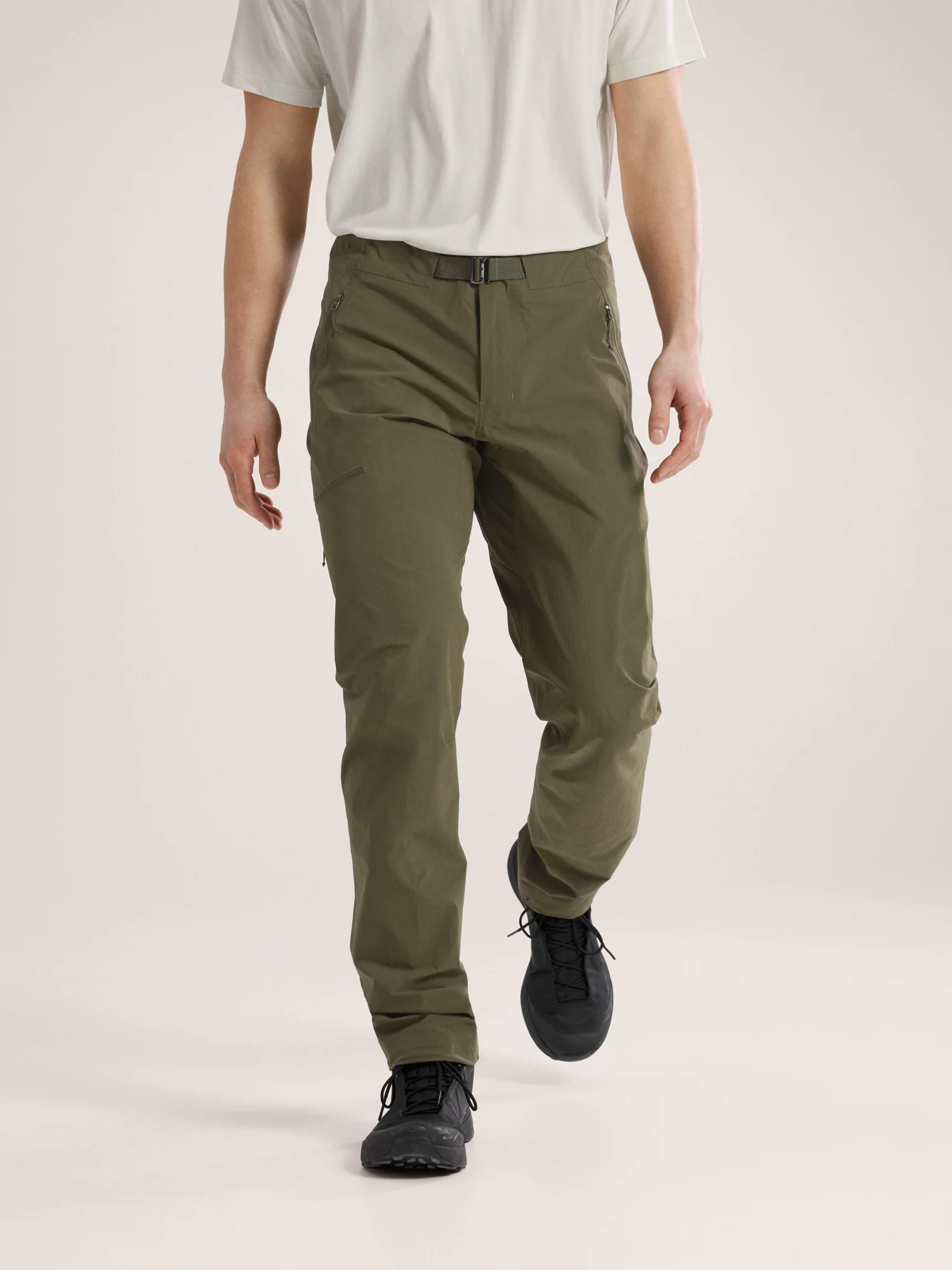
2) Arc’teryx Gamma Pant - Score: 8.3/10
Source: Arcteryx
Best for: “all-rounder” trekking, best overall hiking pant vibes for variable but mostly dry conditions, travel, everyday use.
Why it works: The arc'teryx gamma pant uses a refined softshell synthetic materials blend with stretch for brilliant range of motion, great breathability, and reliable weather resistance from a quality DWR. It’s a comfortable fit with just enough structure to avoid bagging out after a lot of kilometres.
Trade-offs: Pocketing leans minimalist vs overt tactical trousers; price isn’t a great value for everyone compared with excellent value options.
How to wear it: Solo in warm weather; add a light base layer when temperatures drop; pair a shell outer layer in sideways rain.
Specs snapshot: Mid-weight softshell; articulated knees; gusseted crotch; dependable belt loops; standard pockets with clean profile.
Use-cases: Long trail days, mixed forecasts, moving fast without the “garbage bag” feel.
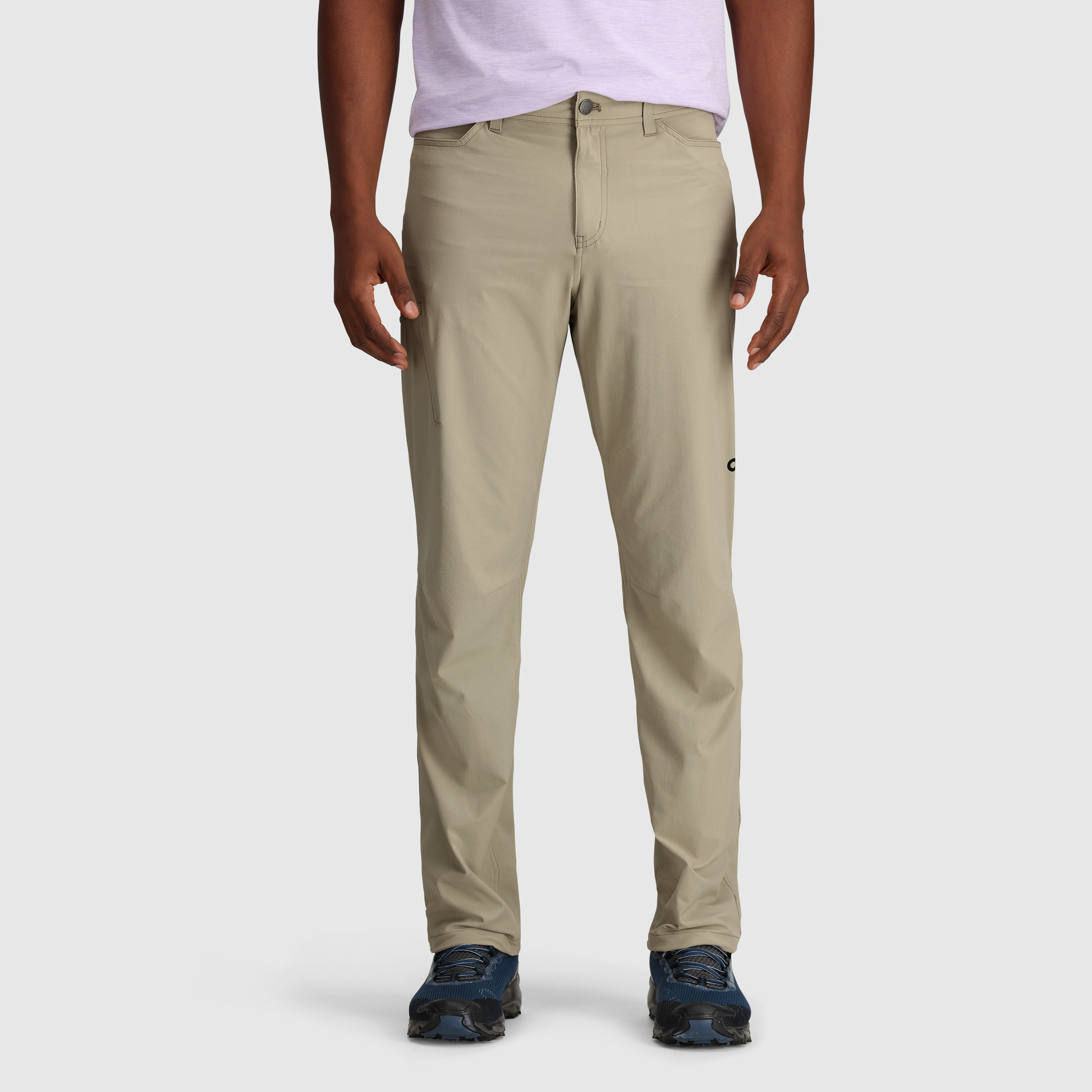
3) Outdoor Research Ferrosi Pant - Score: 8.1/10
Source: Outdoor Research
Best for: hot weather and warm weather, scrambling, dry-to-showery forecasts where you want a breathable option.
Why it works: The outdoor research ferrosi pant is famous for airy, stretchy fabric that dumps heat and dries quickly. It’s comfy straight from the box, with enough water resistance to shrug off misty mornings and light showers.
Trade-offs: Not a tank—extended spinifex or lava rock will mark them quicker than heavier field tactical clothing. Pocketing is decent but not a full pair of tactical pants load out.
How to wear it: Go minimalist in heat; carry ultralight waterproof pants in the pack for true inclement weather.
Specs snapshot: Ultralight/mid-weight soft shell; articulated pattern; low-profile cargo pockets (on some versions); secure front pockets.
Use-cases: Summer bush tracks, river flats, fast packing; brilliant as a light pair in a kit with emergency kits and shell.
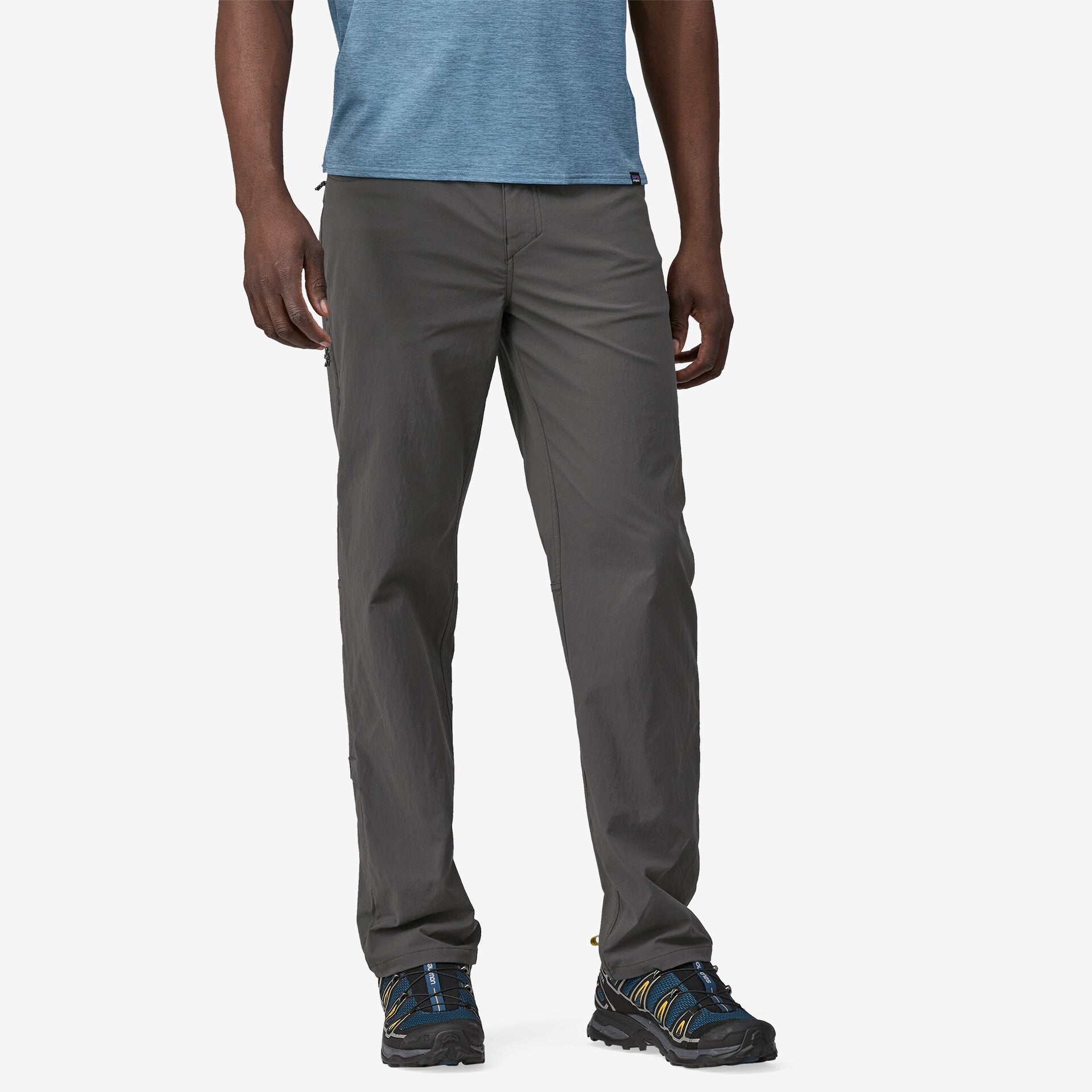
4) Patagonia Quandary Pants - Score: 7.4/10
Source: Patagonia.com
Best for: Value-focused hikers wanting versatile synthetic fabrics with uv protection for sun-baked trails and travel.
Why it works: The patagonia quandary pants deliver a thoughtful nylon/elastane blend that balances light weight, movement, and weather resistance (DWR). They’re a good choice for outdoor enthusiasts who want a do-most-things trouser at a reasonable price and excellent value.
Trade-offs: Less burly than true field combat pant styles; pocketing is practical but not “tactical gear” deep.
How to wear it: Solo in dry conditions and warm weather; add base layer in shoulder seasons; shell over the top for heavy rain.
Specs snapshot: Light/mid-weight; articulated knees; tapered lower legs; reliable back pockets; solid front pockets; dependable belt loops.
Use-cases: Sunny ridge lines, travel, day walks, everyday use when you still want field-ready function.
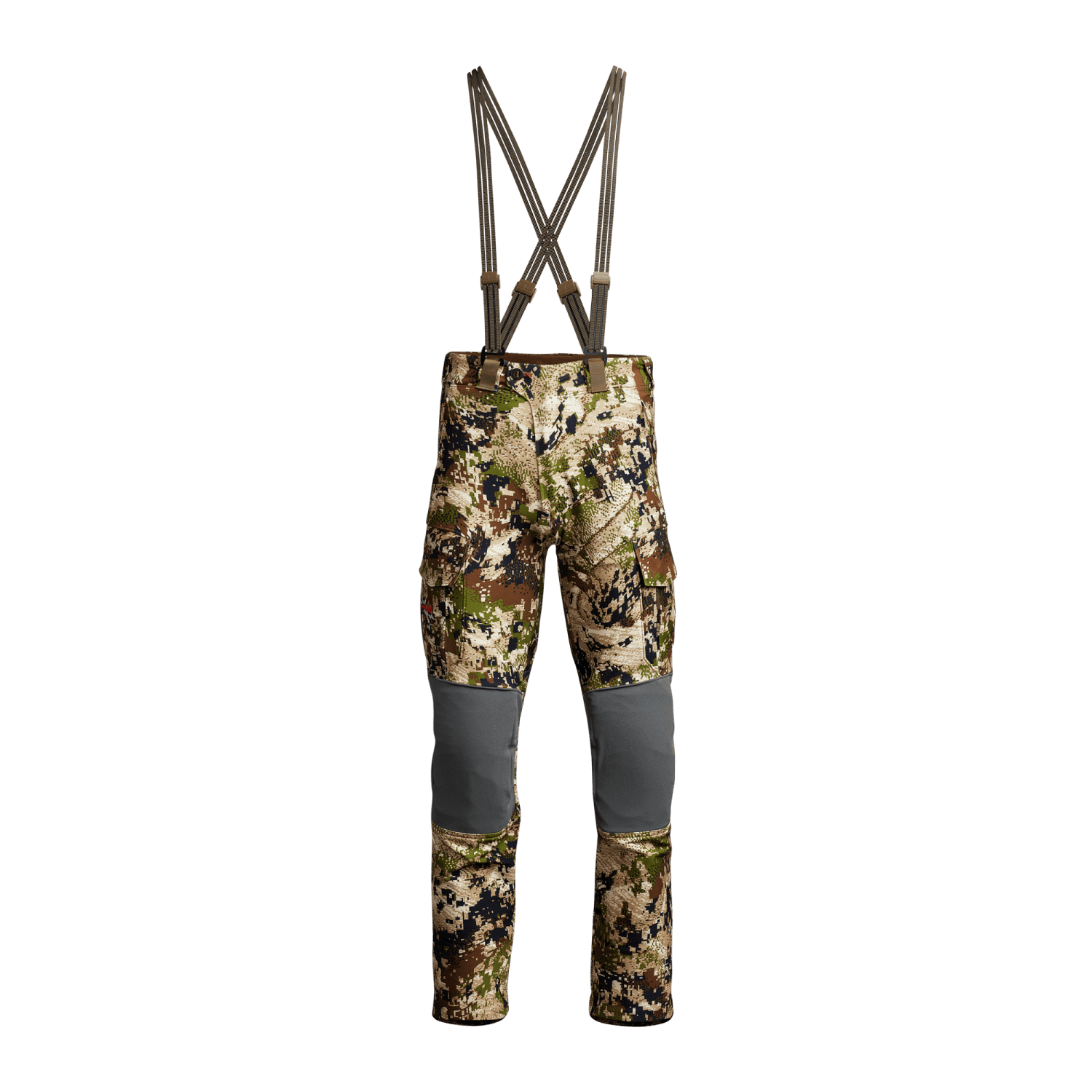
5) Sitka Timberline Pants - Score: 8.4/10
Source: Timberline Pant
Best for: Mountain missions, cold wind, mixed rock/snow, kneeling and glassing sessions—extreme conditions where you still want mobility.
Why it works: The sitka timberline pants are purpose-built: bomber face fabric, waterproof/burly overlays at knees/seat, and removable knee pads. They’re the “no-excuses” option when the great outdoors is trying to chew your legs.
Trade-offs: Weight and price. Not your best choice for tropical scrub or hot weather; overkill for urban tactical pants duty.
How to wear it: Run them with merino wool base layer in cold weather; throw a true shell outer layer over the top when the storm parks overhead.
Specs snapshot: Mid/heavy soft shell with reinforced key areas; integrated or compatible knee pad pockets; structured cargo pockets; stout belt loops built for a heavy belt.
Use-cases: Alpine wind, wet tussock, cold rock—when you need protection and smart carry for a lot of time in rough country.
Care, repairs & field tips
Good pants last a long time if you treat them right. Here’s the simple, field-tested routine to keep your favourites—from vidda pros to an arc'teryx gamma pant or outdoor research ferrosi pant—working across hot weather, cold weather, and wet weather without turning into a sweaty garbage bag.
Wash smart to protect performance
-
Go easy on detergents. Heavy soaps kill DWR (water resistance). Use a tech-wash and skip fabric softener.
-
Reproof as needed. When rain stops beading, clean first, then apply spray-on or wash-in DWR. Gentle tumble dry or warm iron (check label) to “set” the finish.
-
Salt, mud, spinifex. Rinse grit from lower legs and cuffs—abrasive particles shred fibres fast.
Patch and reinforce the right places
-
Field fixes: Tenacious Tape or a small repair patch handles pinholes and cuts on pant legs and back pockets. Stitch when you’re home.
-
Knee zones: If you kneel a lot, inspect knee pad pockets and overlays. Add removable knee pads for rocky camp chores—better than blowing the fabric.
-
High-wear seams: Check seat, crotch gusset and belt loops (especially with combat boots and heavy belts). Add a few bar-tacks if threads start to lift.
Heat & cold layering that actually works
-
Hot weather: Prioritise airflow—unlined synthetic fabrics with venting. Loosen hem drawcords to dump heat.
-
Cold weather: Pair mid/heavy field trousers with a base layer (merino wool is gold). You’ll trap body heat without swampy legs.
-
Inclement weather: Carry light waterproof pants as an outer layer. Pull them on only when it really turns—keep breathability for most of the day.
Pocket discipline beats pocket clutter
-
Cargo pockets for bulky, light stuff (map, gloves, beanie).
-
Front pockets for items you need constantly (small torch, folding blade).
-
Back pockets for flat items only; avoid sharp edges that chew stitching.
-
Aim for enough pockets in the right places—that’s better than “plenty of pockets” jammed with metal.
Fit tweaks for comfort all day
-
Elastic waistband + belt: great combo for everyday use and long walks. Don’t overtighten—let the cut do the work.
-
Lower legs: A mild taper avoids snagging. If you run combat boots, tuck or blouson neatly.
-
Different sizes: Brands vary. Try a couple of pairs to dial in thigh/seat room and avoid hot spots under a hip belt.
Storage, packability & “a couple of pairs”
-
Dry before stowing. Damp pants in a stuff sack go funky fast.
-
Roll, don’t cram. Rolling keeps creases off DWR and helps packability on a backpacking trip.
-
Couple of pairs rule: one light, breathable option (Ferrosi/Quandary) and one tougher pair (Vidda/Timberline). That mix covers rugged terrain, dry conditions, and surprise showers.
Bushproof buying & maintenance habits
-
Great value comes from upkeep. Reproof once a season; repair early.
-
Reasonable price ≠ cheap stitching. Inspect build quality—bar-tacks, straight seams, clean edge binding.
-
Thrift store finds can be winners for camp pants—check zips, hems and DWR.
-
Keep a tiny repair kit in your emergency kits (needle, heavy thread, tape, two patches). The last thing you want is a blown crotch miles from camp.
Frequently Asked Questions
1) Are cotton fabrics ever a good idea for survival pants?
Yes—cotton blends like Fjällräven’s G-1000 shine in dry conditions and scrub thanks to waxable weather resistance and great abrasion behaviour. Pure cotton fabric stays wet in wet weather, so pick blends or synthetic fabrics when rain is likely and carry waterproof pants as an outer layer for true inclement weather.
2) Do I really need knee pads or knee pad pockets?
If you kneel a lot (fire prep, shelter work, glassing on rock), integrated knee pad pockets or compatible knee pads save your joints and your trousers. The vidda pros and sitka timberline pants handle this best.
3) Water resistance vs waterproof—what’s the difference in the field?
DWR water resistance beads off drizzle and dew and keeps breathability high. Full waterproof uses a membrane and taped seams—great as an over-trouser in storms, but too warm for most days. Run fast-drying pants and add waterproof pants only when it buckets down.
4) Which fabric is the best fabric for hot/warm weather?
Light synthetic materials (nylon/elastane) with a breathable option finish. They dry fast, dump heat, and often add uv protection. That’s why outdoor research ferrosi pant and patagonia quandary pants are favourites for warm weather.
5) How many pockets is “enough pockets”?
You want pockets in the right places, not just plenty of pockets. One or two well-designed cargo pockets, deep front pockets, and secure back pockets cover almost every carry plan without bulk.
6) Can I use one pair for everything or should I carry a couple of pairs?
One do-most pair works for everyday use and outdoor activities. For trips, many folks carry a couple of pairs: a light, quick-dry option and a tougher scrub pair. That combo covers rugged terrain, wet weather, and town.
7) What about elastic waistbands and belt loops?
An elastic waistband adds comfort over long days. Still choose strong belt loops if you clip a knife sheath or run a heavier belt. Comfort plus security is the sweet spot.
8) Are “tactical trousers” overkill?
Sometimes. If you want a gray man look in town, low-profile pants with standard pockets beat a flashy pair of tactical pants. Save overt tactical gear details for the bush where access matters more than blending in.
9) Do fire resistant pants make sense?
FR/blend fire resistant options help around campfires but trade breathability and weight. For most readers, a careful fire setup and clear hem spacing from sparks is enough.
10) What’s the best base layer in cold weather?
Merino wool is hard to beat. It traps body heat, manages moisture, and pairs well under mid/heavy field trousers. In storms, add a shell outer layer on top.